
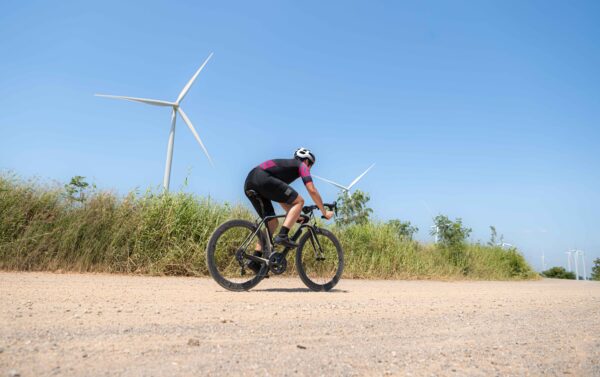
Long gravel cycling events require more than strong legs and fast riding. Riders usually spend many hours on changing surfaces where weather, food, pacing, and bike control affect the final result. Preparation before the event often decides how comfortable and stable the race day feels. First–time participants normally need training structure, equipment planning, and understanding of gravel terrain before joining longer routes.
Understanding Gravel Event Conditions
Gravel racing is different from normal road cycling because the terrain changes many times during one route. Riders may move across compact gravel, loose stones, dirt roads, mud sections, and short asphalt parts during the same event. Climbs also feel harder because loose surfaces reduce traction and make bike handling less predictable.
Many gravel events include distances from 50 to more than 150 kilometers. Some races provide only limited support stations, so participants often carry food, water, and repair equipment during the ride. Wind and weather conditions may also change quickly in open rural areas.
Pacing becomes critical during long gravel routes. Riders who start too fast often lose energy after several hours on rough roads. Controlled effort usually creates better results than aggressive riding early in the event.
Gravel Race Training and Endurance
A beginner training plan does not need advanced methods. Most riders improve by building regular endurance and spending time on gravel terrain instead of only riding on pavement.
Training a few times a week gets the body used to longer efforts. The most common way to build up endurance and comfort on the bike is a longer ride once a week. These rides can slowly increase in length in advance of the event.
Lower cadence sessions are also useful for gravel routes because steep climbs sometimes force slower pedaling. Riding at reduced cadence teaches better control when traction becomes limited on loose hills.
The body also needs recovery time between the harder sessions. Sleep and hydration and easier rides help muscles recover and adapt after long training blocks. Riders who don’t recover can sometimes feel fatigued before race week even begins.
Practicing Bike Handling Skills
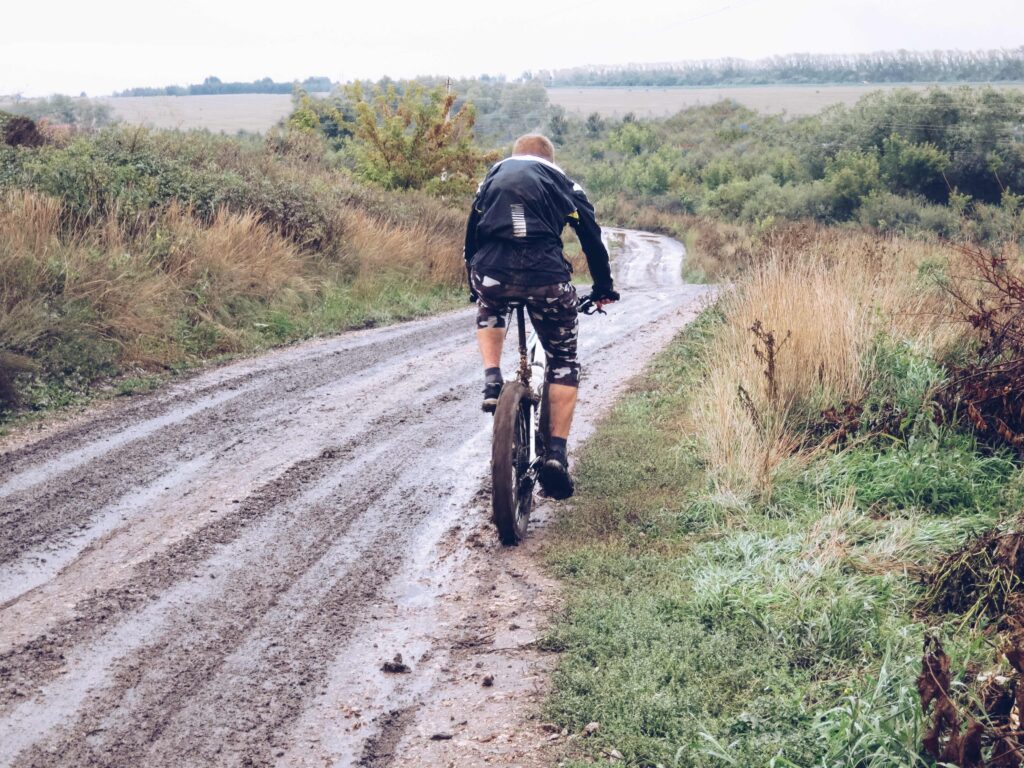
Technical control is often overlooked by beginners. Gravel roads may include unstable corners, sudden descents and rough sectors where balance matters more than speed. Practice on real gravel surfaces usually improves confidence better than indoor training alone.
Useful handling practice may include:
- cornering on loose gravel
- seated climbing for traction
- controlled braking on descents
- riding over uneven surfaces
- keeping stable body position during rough sectors
Repeated practice reduces panic reactions during difficult moments. Riders who stay calm on changing terrain normally waste less energy during long events.
Nutrition and Hydration Before the Event
Food planning has major importance during endurance cycling. Riders often become exhausted not because of weak fitness, but because energy intake becomes too low during several hours of riding.
Many cyclists try to consume carbohydrates regularly during the event instead of waiting until hunger appears. Drinks with electrolytes are also commonly used during warm conditions to reduce dehydration risks.
Training with nutrition helps prevent stomach problems on race day. Simple foods like bananas, rice cakes, or energy bars tend to be easier to manage for beginners, than trying out new products during competition.
Hydration levels should also begin prior to the event starting. Drinking enough water the night before and in the morning can help to sustain energy and concentration later on the course.
Equipment Choices for Gravel Cycling
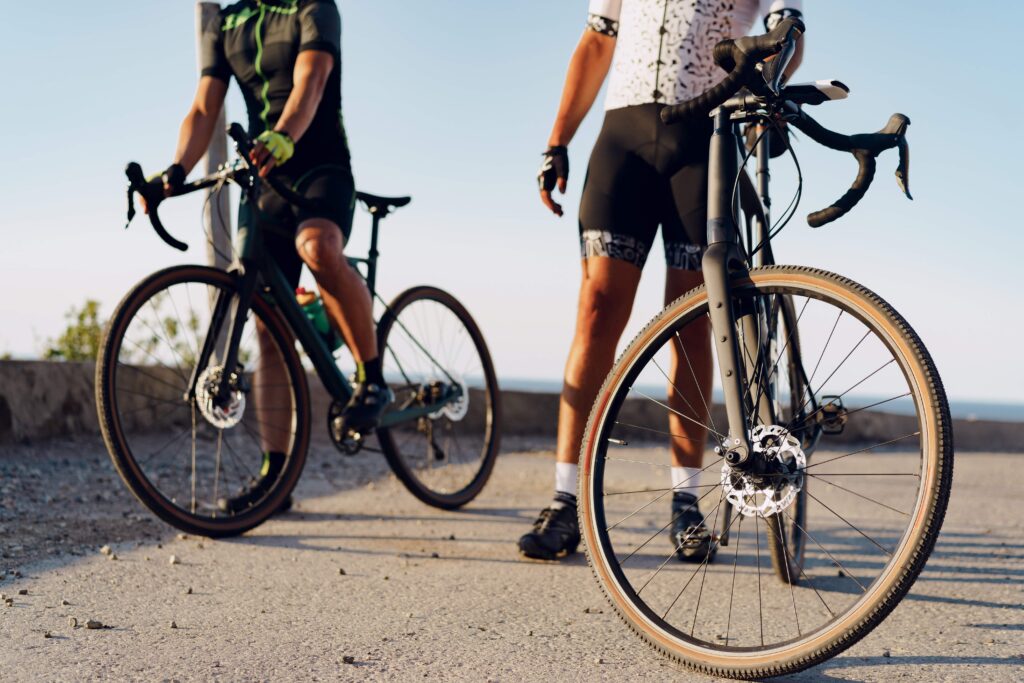
Bike setup changes affect comfort and control in long gravel races. Two important tweaks are tire width and tire pressure, as gravel surfaces create more vibration and instability than normal roads.
Many riders prefer wider tires, as they provide better grip and absorb the hits from rough terrain. Lowering tire pressure can also improve comfort and traction, especially on loose gravel sections. Pressure is usually a function of rider weight, terrain conditions and tire size.
Easy climbing gears are another helpful option for difficult routes. The looser surfaces suck momentum so gravel climbs seem steeper than they really are. Smaller gears help riders save energy on repeated climbs.
Avoid excessive mechanical preparation prior to the race. Long distances can be trouble–free if you check brakes, chain condition, tire wear, and spare equipment. When riding on unsupportable sections, cyclists often carry a pump, repair plugs, a spare tube, and a small tool kit.
Endurance, bike control, nutrition planning, and realistic pacing usually combine to make a successful gravel prep. Good fitness alone will seldom get you over every obstacle on rough and changing ground.
Comments are closed