
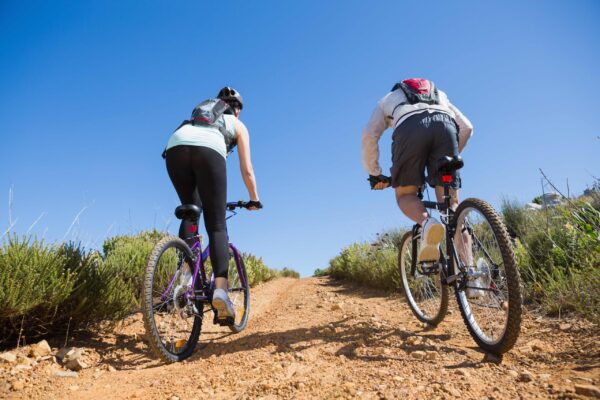
A 100–mile gravel race usually includes long hours on remote roads, changing weather, rough terrain, and limited support areas. Riders often need to solve small problems alone during the route. Carrying correct equipment helps avoid long delays and unnecessary stress after mechanical issues or energy loss. Good preparation also helps riders stay focused during difficult parts of the course instead of worrying about missing tools or empty water bottles.
Basic Repair Equipment for Gravel Riding
It’s not unusual to suffer mechanical problems in a gravel race due to the extra stress that the bike parts endure on sharp stones, rough descents and loose surfaces. Flat tires are one of the most common problems on longer events, especially on rocky roads.
Most experienced riders have quick repair tools and backup gear. A small CO₂ cartridge can quickly inflate a tire after a puncture, while a mini pump can be useful if multiple flats occur during the ride. Some riders only carry a frame pump because CO₂ cartridges sometimes fail in a stressful situation.
Tire Repair and Inflation Tools
Tubeless tire systems are popular in gravel racing, but they still may fail during large punctures. Because of these issues, riders often carry spare inner tubes even with tubeless tires installed. Tire levers are also important because removing tight gravel tires by hand becomes difficult during cold or wet conditions.
A compact repair setup often includes the following:
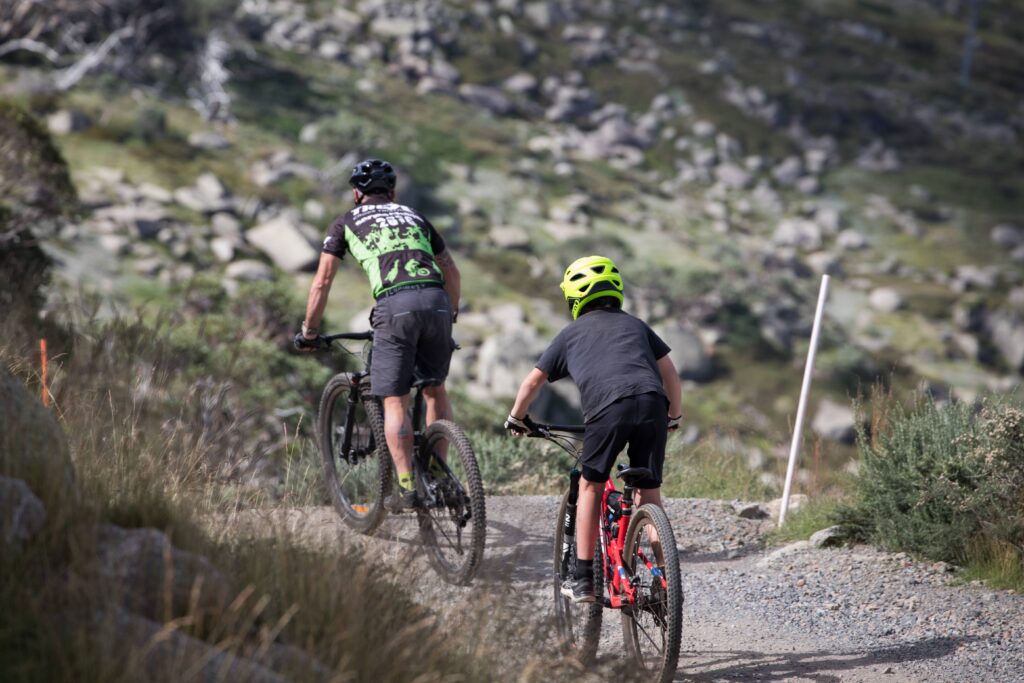
- mini pump or CO2 cartridge
- one or two spare tubes
- tire levers
- multi–tool
- small patch kit
- tire plugs for tubeless repairs
Many riders place tools inside saddle bags or frame bags to keep jersey pockets lighter during long distances. Equipment weight normally matters less than reliability during a 100–mile event.
Navigation and Electronic Devices
Long gravel routes sometimes pass through isolated roads with limited signs. Navigation devices help riders stay on course and avoid wrong turns that waste energy and time.
Cyclists often carry GPS computers with downloaded routes already prepared before race day. Phone applications with offline maps also help when mobile signals become weak in rural areas. Riders who depend only on online navigation sometimes experience problems after losing connection.
Battery life becomes another important issue during long events. GPS computers and phones may stop working after many hours if batteries are low. Some riders now carry compact battery packs for emergency charging during the ride.
A fully charged phone is also important for safety. In remote areas, riders may need communication after crashes, mechanical failures, or sudden weather changes. Waterproof phone bags are sometimes used during muddy or rainy conditions.
Food and Hydration Supplies
Nutrition planning becomes extremely important during gravel races lasting several hours. Riders usually burn large amounts of energy because gravel surfaces require constant effort and bike control. Missing food intake for even one hour may lead to fatigue and slower reactions later in the race.
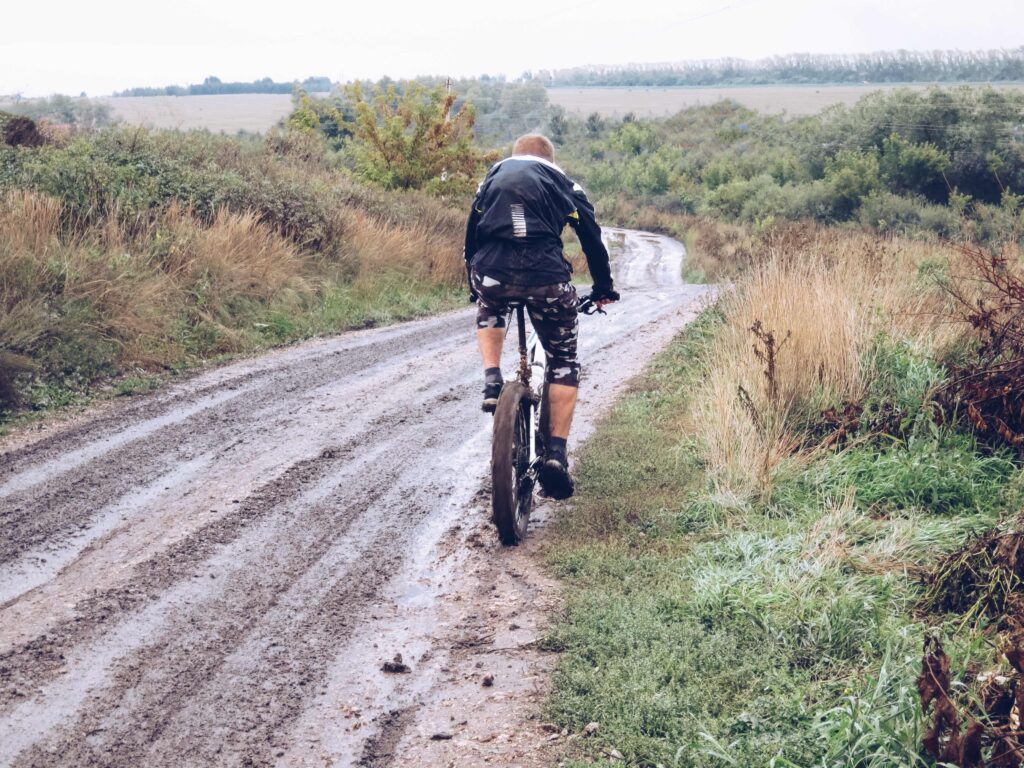
Most cyclists carry enough nutrition to reduce unnecessary stops at aid stations. Energy gels, blocks, bars, rice cakes, and bananas are commonly used because they are simple to eat while riding. Riders often test food choices during training rides before race day.
Water and Electrolyte Planning
Weather, climbing, and rider intensity affect hydration needs. For medium distances you will usually need two water bottles, and for longer events, hydration packs with extra water storage. During hot conditions, riders sweat out minerals, and this is why electrolyte drink mixes are often added to bottles.
Some cyclists separate plain water and electrolyte drinks to avoid stomach discomfort after many hours. Extra drink powder packets may also be carried for refill stations along the course.
Comments are closed